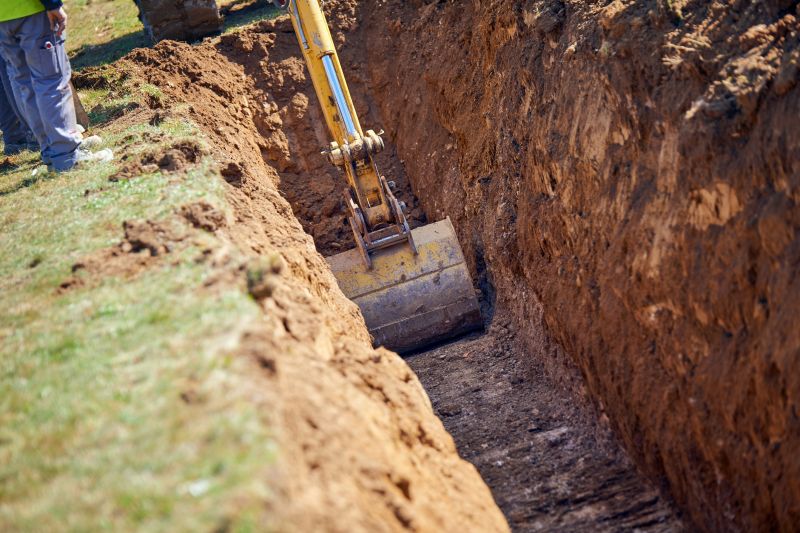
Backhoe Trenching in Atlanta, GA
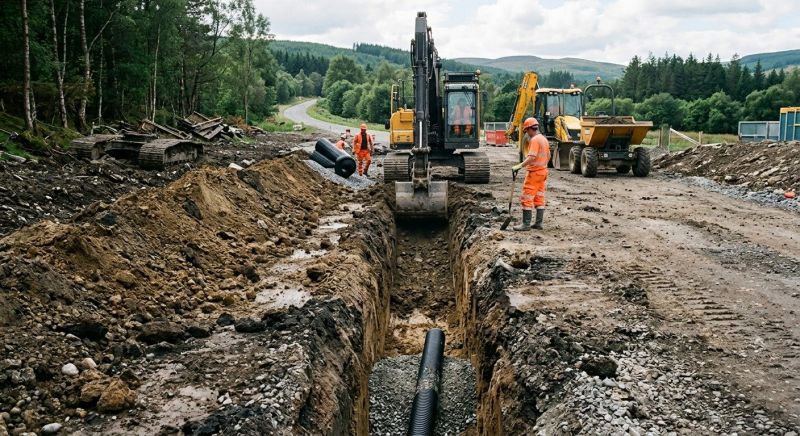
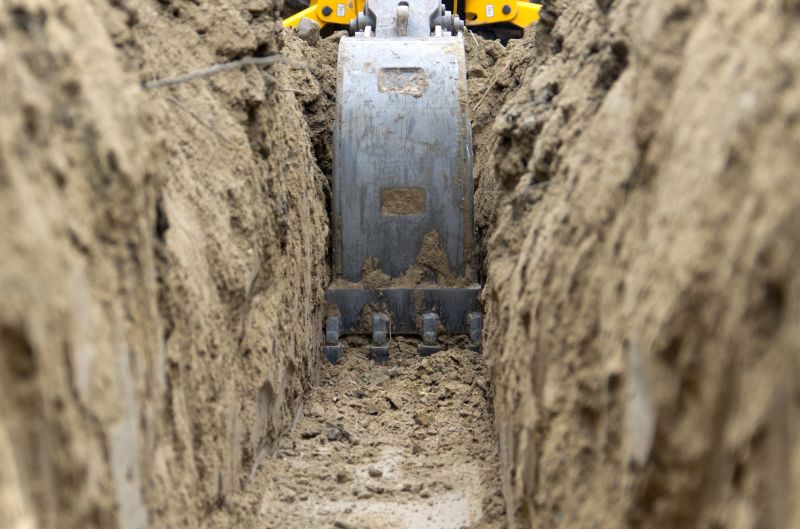
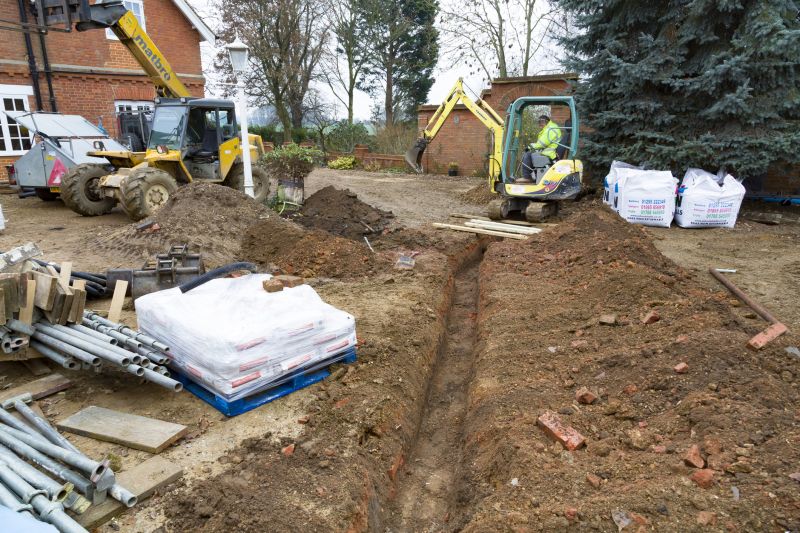
Backhoe trenching services involve the use of a backhoe machine to dig narrow, precise trenches in the ground. These trenches are commonly needed for installing underground utilities such as water lines, sewer pipes, electrical wiring, or sprinkler systems. Homeowners often request this service when planning to upgrade or repair existing infrastructure, lay new piping, or prepare a property for landscaping projects that require underground connections or drainage solutions.
Property owners should consider the scope of their project and the depth and width of trenches required before requesting backhoe trenching. It’s important to understand the location of underground utilities to prevent accidental damage, and to determine if any permits or permissions are needed from local authorities. Clear communication about the project’s goals and the existing layout can help ensure the trenching process proceeds smoothly and efficiently.
Many property owners in Atlanta, GA look into Backhoe Trenching for repairs, replacements, upgrades, and appearance-related improvements.
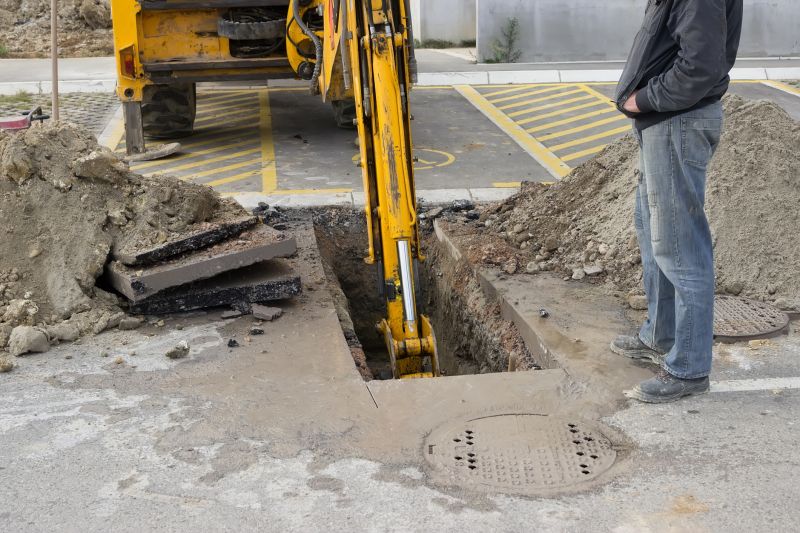
Residential Trenching Solutions
Backhoe trenching is ideal for installing utility lines, drainage systems, and irrigation setups on residential properties around atlanta.
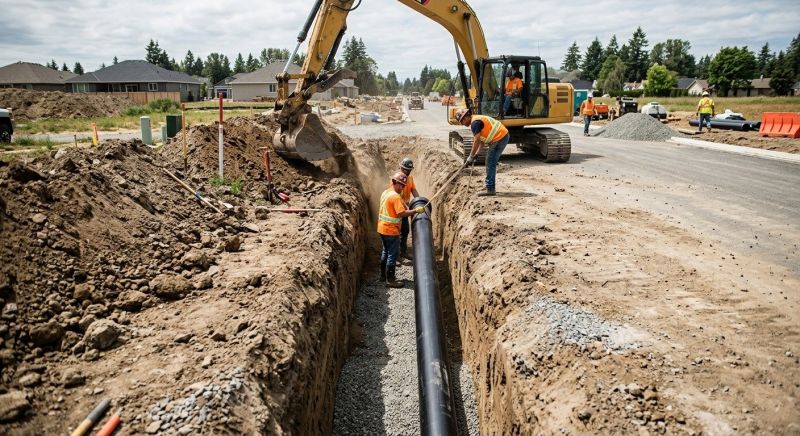
Commercial Excavation Services
Businesses often require backhoe trenching for foundation work, underground wiring, and site preparation in the atlanta area.
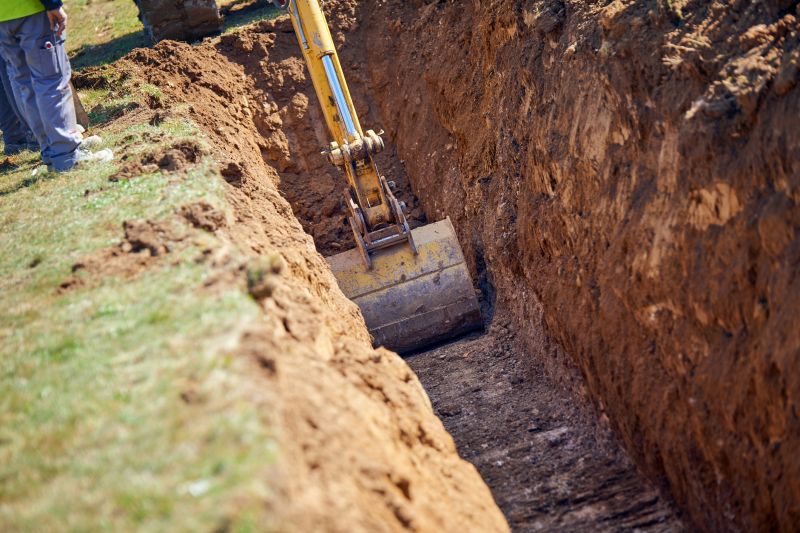
Property Improvement Projects
Backhoe trenching supports landscaping, fencing, and outdoor renovations by creating precise and efficient trenches on various property types.
Backhoe Trenching in Atlanta, GA

Backhoe trenching services involve the use of a backhoe machine to dig narrow, precise trenches in the ground. These trenches are commonly needed for installing underground utilities such as water lines, sewer pipes, electrical wiring, or sprinkler systems. Homeowners often request this service when planning to upgrade or repair existing infrastructure, lay new piping, or prepare a property for landscaping projects that require underground connections or drainage solutions.
Property owners should consider the scope of their project and the depth and width of trenches required before requesting backhoe trenching. It’s important to understand the location of underground utilities to prevent accidental damage, and to determine if any permits or permissions are needed from local authorities. Clear communication about the project’s goals and the existing layout can help ensure the trenching process proceeds smoothly and efficiently.
Many property owners in Atlanta, GA look into Backhoe Trenching for repairs, replacements, upgrades, and appearance-related improvements.
Common Backhoe Trenching Jobs
Utility trenching - creating channels for underground electrical, water, or gas lines.
Drainage trenching - installing drainage systems to prevent water pooling on property.
Foundation excavation - preparing trenches for building or repairing basement and foundation walls.
Landscape trenching - shaping trenches for irrigation systems or garden bed edging.
Septic system installation - digging trenches for septic tanks and drain fields.
Driveway and pathway trenching - creating trenches to install or repair walkways and driveways.
Backhoe Trenching Questions
What types of projects require backhoe trenching? Backhoe trenching is commonly used for installing underground utilities, drainage systems, or irrigation lines around residential properties.
Is backhoe trenching suitable for small residential yards? Yes, backhoe trenching can be performed in small yards, but the scope of work may influence site accessibility and planning.
What should property owners consider before trenching? It's important to identify underground utilities and plan trench locations to minimize disruptions and ensure safety.
How deep can a backhoe trench typically go? Trench depths usually range from 2 to 6 feet, depending on the project requirements and local codes.
Request Backhoe Trenching in Atlanta, GA
Use the quote form on this page to share the basics of your project and request more information for the type of work you need.