Get Land Grading
Land grading services help property owners level, shape, and improve drainage on their land for projects like building foundations, driveways, or landscaping.
Land grading services are an essential step for property owners planning construction, landscaping, or drainage improvements. Proper grading helps ensure water flows away from foundations, prevents erosion, and creates a stable base for future projects. If you’re considering modifications to your property’s terrain, exploring local contractors who specialize in land grading can provide the expertise needed to achieve effective results tailored to your specific site conditions.
Comparing options among local service providers allows property owners to find experienced contractors who understand the unique challenges of the area. Whether preparing a lot for new construction, installing a lawn, or addressing drainage issues, connecting with qualified professionals can help ensure the work is completed efficiently and to your property’s requirements. Keep reading to learn more about how local land grading services can support your property planning efforts.
- Residential Land Grading - needed when homeowners want to improve drainage or prepare a yard for landscaping.
- Commercial Land Grading - required for businesses installing parking lots, access roads, or building foundations.
- Driveway and Pathway Grading - essential when constructing or repairing driveways and walkways for proper slope and stability.
- Site Preparation for Construction - necessary before beginning new building projects to ensure a level and stable foundation.
- Erosion Control Grading - used to manage water flow and prevent soil erosion on slopes and disturbed land.
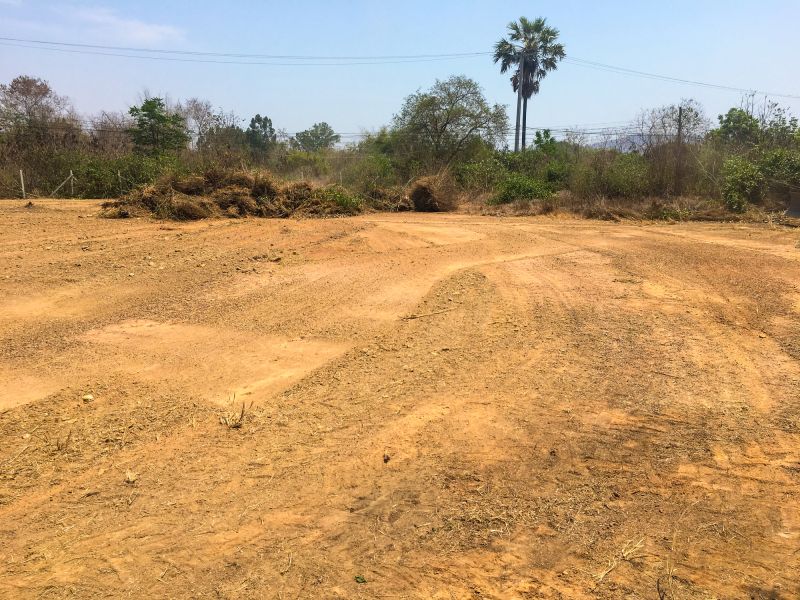
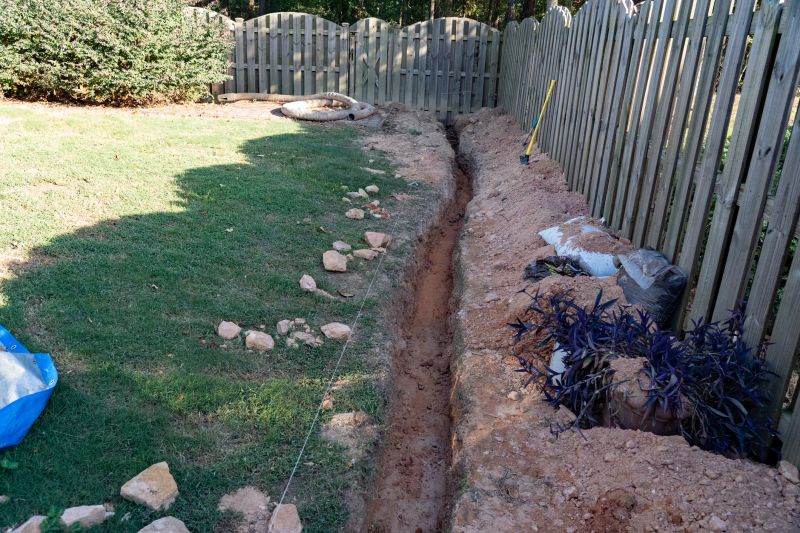
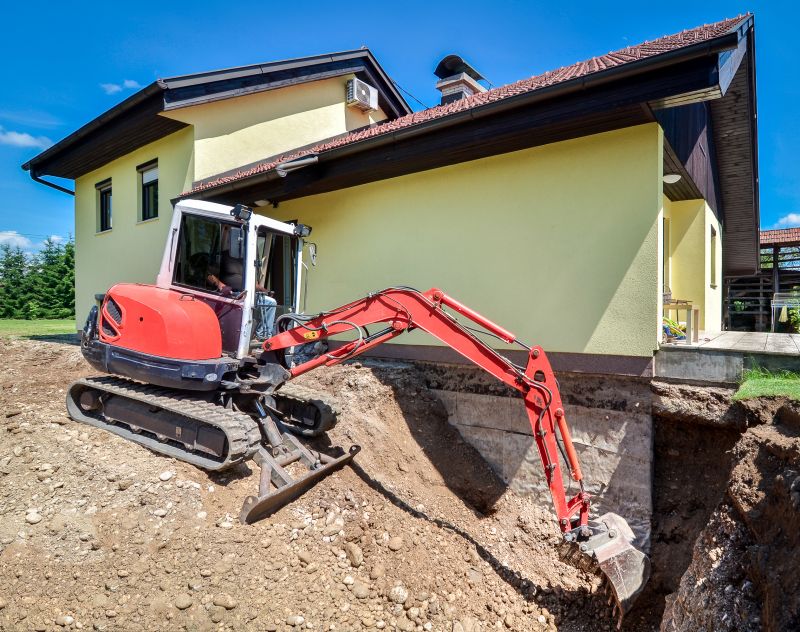
Land grading services involve reshaping the surface of a property’s land to achieve a desired slope or contour. This process typically includes leveling uneven areas, creating proper drainage slopes, and preparing the ground for construction, landscaping, or drainage systems. Skilled contractors use specialized equipment to carefully remove, add, or redistribute soil, ensuring the land’s surface functions effectively for its intended use. Proper grading not only improves the appearance of a property but also helps prevent issues related to water pooling and soil erosion.
One of the primary problems that land grading addresses is poor drainage. When a property’s land slopes incorrectly or is uneven, water can collect in certain areas, leading to flooding or water damage to structures and landscaping. Proper grading directs water away from foundations, walkways, and gardens, reducing the risk of water-related problems. Additionally, land grading can correct existing issues such as uneven terrain or settling spots that may cause tripping hazards or make landscaping difficult to maintain.
Land grading is commonly used on residential properties, especially before building new homes or adding extensions. It is also frequently needed for properties with existing drainage problems, after heavy storms, or when preparing land for landscaping projects. Commercial properties, such as parking lots and business grounds, often require grading to ensure proper surface drainage and safety. Whether for a small backyard or a large commercial site, local contractors can provide the expertise needed to achieve a stable, well-drained land surface.
Homeowners and property owners who notice standing water, uneven ground, or erosion issues may find land grading services beneficial. It is also a recommended step before installing new lawns, gardens, or outdoor structures to ensure a level and stable foundation. By working with experienced local service providers, property owners can find the right solutions to improve land stability, enhance drainage, and prepare their property for future development or landscaping projects.
The overview below groups typical Land Grading projects into broad ranges so you can see how smaller, mid-sized, and larger jobs often compare in your area.
In many markets, a large share of routine jobs stays in the lower and middle ranges, while only a smaller percentage of projects moves into the highest bands when the work is more complex or site conditions are harder than average.
Smaller Land Grading Jobs - Typically cost between $250 and $600 for routine projects like leveling small yards or fixing minor slopes. Many jobs fall within this range, especially for straightforward, low-complexity work.
Medium-Scale Projects - Usually range from $600 to $2,500 and cover larger areas or more detailed grading work. A majority of land grading projects fall into this middle tier, balancing scope and complexity.
Large or Complex Land Grading - These projects often cost $2,500 to $5,000 or more, involving extensive site preparation or significant earthmoving. Fewer projects reach this tier, typically reserved for substantial or challenging terrain modifications.
Full Land Replacement or Major Regrading - Larger, more involved projects can exceed $5,000, especially if extensive excavation, drainage, or foundation work is required. Such jobs are less common and usually involve comprehensive site overhaul efforts.
Actual totals will depend on details like access to the work area, the scope of the project, and the materials selected, so use these as general starting points rather than exact figures.
Site Drainage Improvements - local contractors skilled in grading can help optimize land for proper water runoff and drainage systems.
Foundation Grading - professionals experienced in land leveling ensure stable and even surfaces for building foundations.
Landscape Grading - local service providers can shape and contour land to enhance aesthetic appeal and prevent erosion.
Driveway and Pathway Grading - experts can prepare surfaces for durable and even access routes around properties.
Erosion Control Projects - contractors familiar with grading techniques can implement measures to prevent soil loss on slopes.
Agricultural Land Preparation - local pros can grade and level fields to improve irrigation and crop productivity.
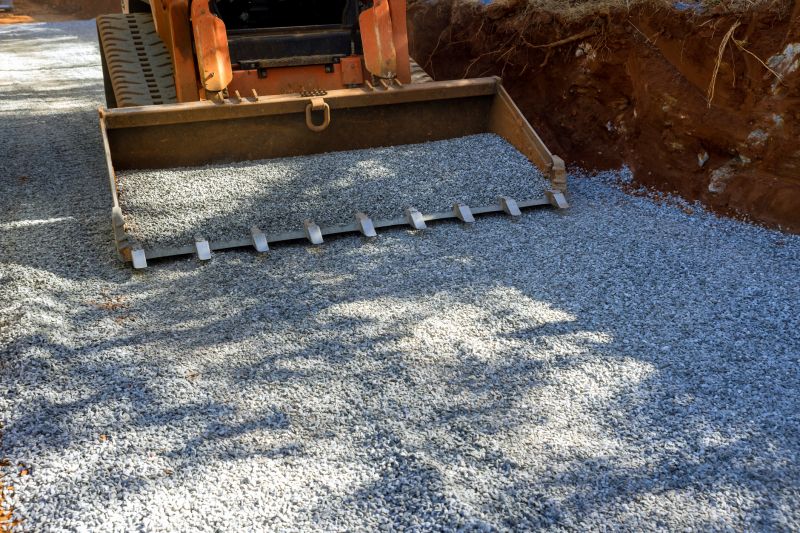
When comparing land grading service providers, it’s important to consider their experience with similar projects. Homeowners should look for local contractors who have a proven track record of handling projects comparable in scope and complexity. Asking about past work can provide insight into their familiarity with the specific challenges that might arise on a property like yours. An experienced service provider is more likely to understand the nuances of proper grading techniques, drainage solutions, and site-specific considerations, which can help ensure the job is completed effectively.
Clear, written expectations are essential when evaluating potential land grading contractors. Homeowners should seek detailed proposals or estimates that outline the scope of work, materials to be used, and the timeline for completion. Having these details in writing helps prevent misunderstandings and provides a reference point throughout the project. Reputable service providers will be transparent about their process and be willing to discuss any questions or concerns, ensuring that expectations are aligned from the outset.
Good communication and reputable references are key indicators of a reliable local contractor. Homeowners are encouraged to ask for references from previous clients who had similar projects completed. Contacting these references can offer insights into the contractor’s professionalism, reliability, and quality of work. Additionally, responsive and clear communication during the initial inquiry process can reflect how the contractor will engage throughout the project, making it easier to address any issues that might arise. It’s important to remember that this site introduces homeowners to local options for land grading services and does not perform the work itself.
Property owners use Land Grading services for practical projects around their homes and businesses. This guide focuses on everyday jobs and straightforward project options.
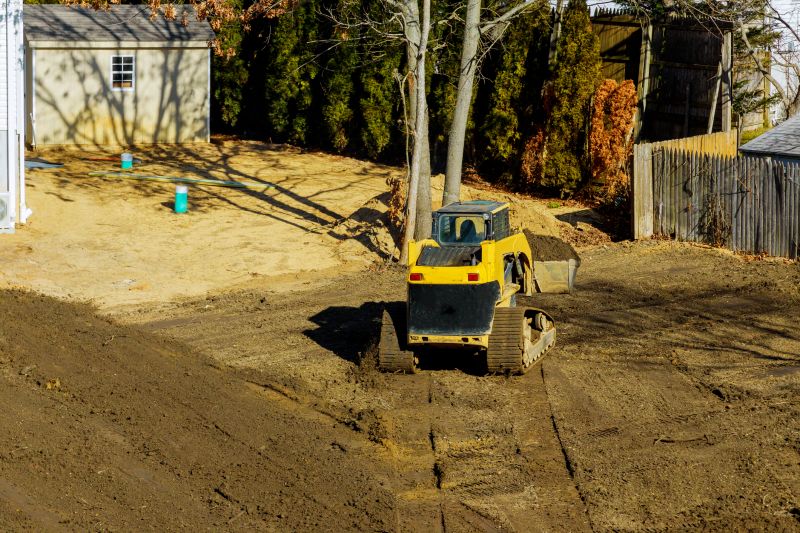
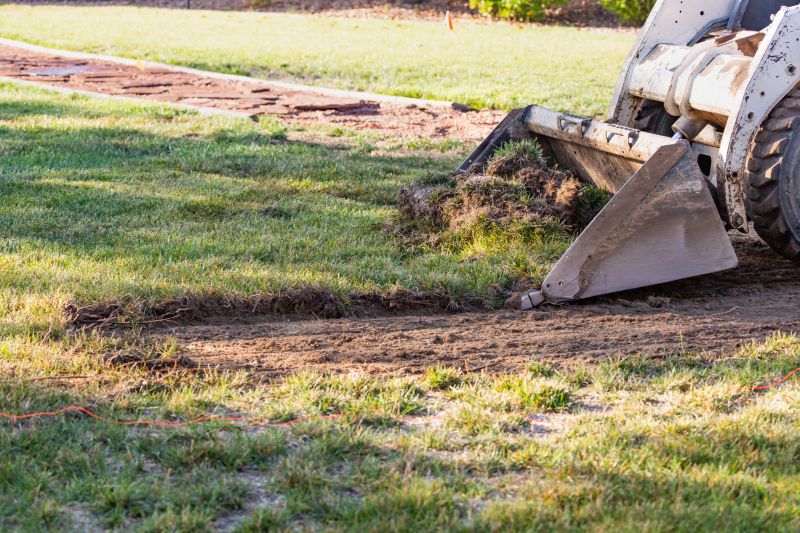
Land grading services are often needed when property owners want to improve drainage around their homes or commercial buildings. For example, if there are areas where water tends to pool or collect after heavy rains, a local contractor can level the ground to help direct water away from foundations and prevent flooding. Additionally, property owners planning to install new landscaping, driveways, or outdoor features may seek grading work to create a stable, even surface that supports their project goals.
Many property owners in the area look for land grading to prepare their land for construction or renovation projects. Proper grading can enhance the overall appearance of a property and ensure proper water runoff, reducing the risk of erosion or damage over time. Local service providers can handle these tasks efficiently, helping property owners achieve a level, well-drained landscape that supports their ongoing or future use of the land.
What is land grading? Land grading involves leveling or sloping the land surface to ensure proper drainage and prepare the site for construction or landscaping projects.
Why is land grading important? Proper land grading helps prevent water accumulation, reduces erosion, and creates a stable foundation for buildings and other structures.
How do local contractors perform land grading? Local service providers use equipment like graders and bulldozers to reshape the land according to project requirements and site conditions.
What types of land grading services are available? Services can include residential yard grading, lot leveling, drainage correction, and site preparation for construction projects.
How can I find qualified land grading professionals? A lead generation platform can connect you with experienced local contractors who specialize in land grading services in your area.
Drainage Improvement - Proper land grading can help direct water away from foundations and prevent pooling in yards, making outdoor spaces safer and more functional.
Yard Regrading - Adjusting the slope of a yard can create level areas for gardens, lawns, or outdoor activities.
Foundation Protection - Ensuring proper land grading around a property can reduce the risk of water infiltration and soil erosion near the foundation.
Driveway and Pathway Preparation - Land grading can prepare surfaces for installing driveways, walkways, or patios by providing a stable, even base.
If you are thinking about Land Grading for a property, this guide is meant to help you understand the work, the typical project types, and how different options might fit your plans.
When you are ready, you can use the quote form on this page to share a few details about your project. From there, local pros can review the basics and respond with options that match what you have in mind.